Are you looking for a trading approach that balances flexibility, structure, and profit potential without staring at charts all day? Futures swing trading has become one of the most practical strategies for traders in 2026 who want consistent results without the stress of ultra short term scalping.
The global futures and currency markets are more liquid, data driven, and accessible than ever. With tighter spreads, improved analytics tools, and increased participation from both retail and institutional traders, swing trading futures now offers clear opportunities for disciplined traders who understand market structure and risk.
In this guide, you will learn exactly how futures swing trading works, the most effective strategies used by professional traders, and proven risk management techniques designed to protect your capital and improve consistency over time.
What Is Futures Swing Trading and Why It Works in 2026
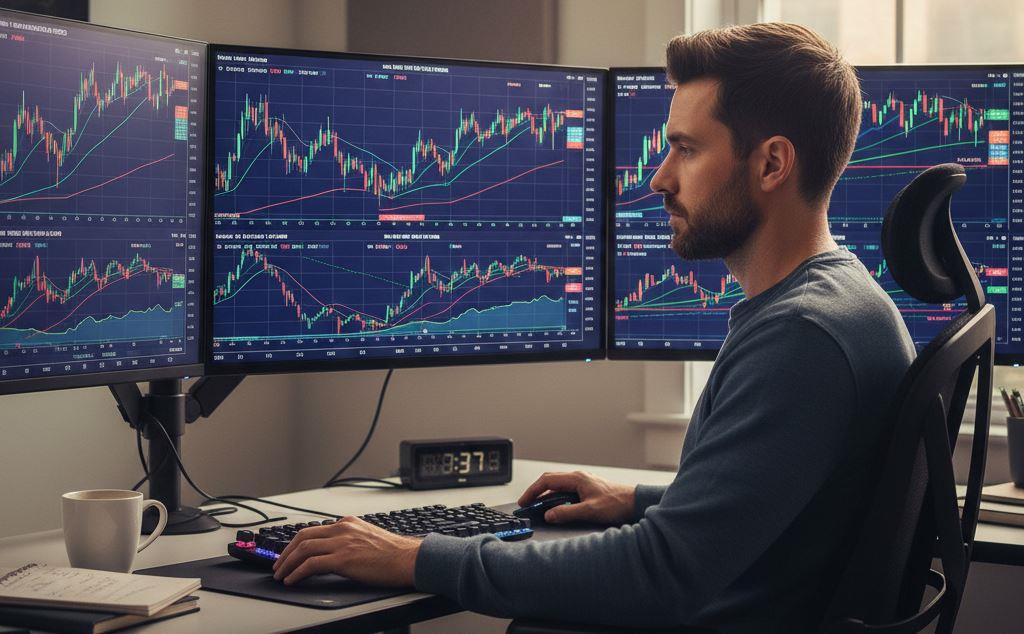
Futures swing trading focuses on capturing price movements that unfold over several days to a few weeks. Instead of reacting to every small fluctuation, you aim to identify meaningful market swings driven by trends, momentum shifts, and macro catalysts.
Unlike day trading, this approach allows you to step back and analyze the broader market context. For forex traders transitioning into futures, this style often feels familiar because it relies heavily on trend analysis, support and resistance, and disciplined execution.
How Futures Swing Trading Differs From Day Trading
Day traders close positions before the session ends, often placing multiple trades per day. Swing traders, on the other hand, may hold one or two carefully selected positions for days.
Key differences include:
-
Fewer trades with higher conviction
-
Reduced transaction costs due to lower trade frequency
-
More time for analysis and decision making
According to CME Group data, swing based futures strategies account for a growing percentage of non high frequency retail volume in 2025 and 2026, reflecting a shift toward sustainable trading models.
Source: CME Group market education
Why Futures Markets Are Ideal for Swing Trading
Futures contracts offer leverage, transparency, and deep liquidity. Popular instruments like E-mini S&P 500, Crude Oil, Gold, and major currency futures provide clean price action and reliable technical behavior.
Advantages include:
-
Centralized exchanges with regulated pricing
-
High volume leading to efficient order execution
-
Ability to profit in both rising and falling markets
If you are new to contract selection, this guide on choosing the right futures contracts to trade provides a solid starting point.
Common Mistakes Beginners Make
Many traders fail in futures swing trading due to:
-
Overleveraging small accounts
-
Ignoring macroeconomic calendars
-
Holding losing trades without a stop loss
Avoiding these pitfalls early dramatically improves your learning curve and long term survival.
Proven Futures Swing Trading Strategies That Work
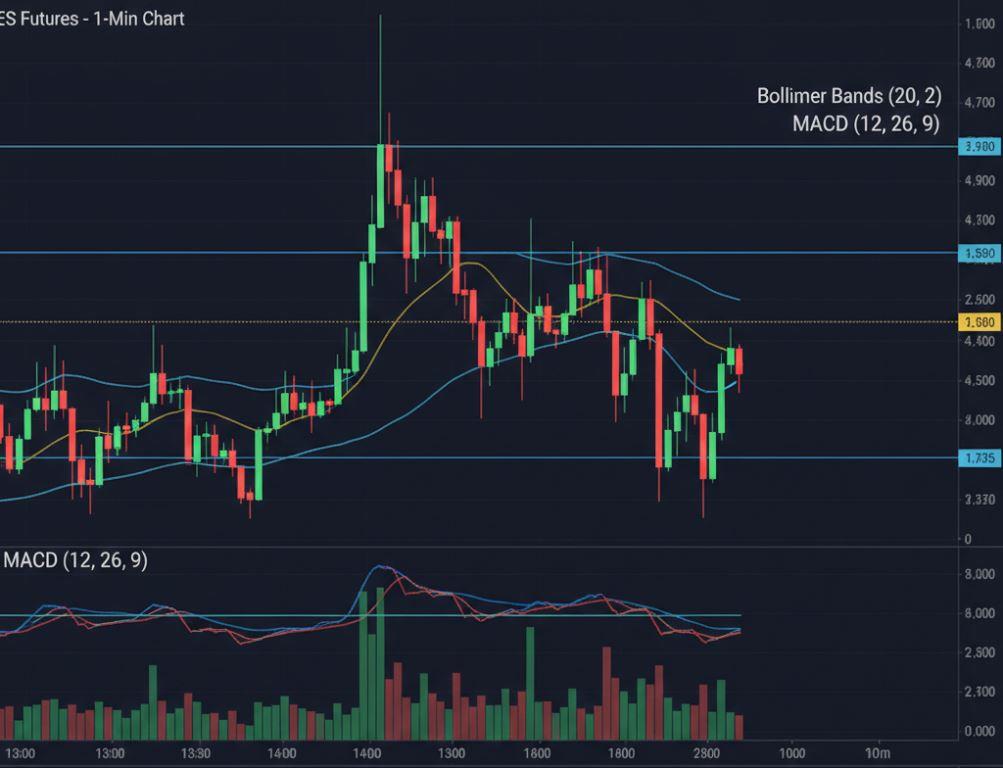
Successful futures swing trading relies on repeatable strategies that align with market structure. Below are the most reliable approaches used by professional traders in 2026.
Trend Pullback Strategy
This strategy involves trading in the direction of the dominant trend after a temporary retracement.
How it works:
-
Identify a clear uptrend or downtrend using higher highs and higher lows
-
Wait for price to pull back toward a key moving average such as the 20 or 50 EMA
-
Enter when price confirms continuation with a strong candle or momentum shift
Trend pullbacks work especially well in index futures and currency futures during stable macro conditions. According to historical backtesting published by Investopedia, trend following swing strategies outperform random entry models by over 35 percent on a risk adjusted basis.
Breakout and Range Expansion Trades
Markets often consolidate before making large moves. Swing traders can take advantage by entering after confirmed breakouts.
Best practices include:
-
Trade breakouts aligned with higher time frame trends
-
Confirm volume expansion on breakout candles
-
Avoid chasing false moves during low liquidity sessions
For more clarity, see this resource on support and resistance in futures trading.
Mean Reversion Setups
Mean reversion strategies assume that price will return to its average after extreme moves. These setups work best in range bound or rotational markets.
Common tools include:
-
Bollinger Bands
-
RSI divergence
-
Volume exhaustion signals
This strategy requires patience and strict risk control, but it can be highly effective in commodities like natural gas and agricultural futures.
Risk Management Rules Every Futures Swing Trader Must Follow
Risk management is the difference between a trader and a gambler. In futures swing trading, leverage magnifies both gains and losses, making discipline non negotiable.
Position Sizing and Leverage Control
Professional traders rarely risk more than 1 to 2 percent of their account per trade. This rule alone can prevent catastrophic drawdowns.
Key guidelines:
-
Adjust contract size based on stop loss distance
-
Reduce size during high volatility periods
-
Never increase size to recover losses
The CFTC emphasizes position sizing as a core principle of futures market safety.
Stop Loss and Trade Invalidations
Every trade must have a predefined exit point where your thesis is proven wrong.
Effective stop placement:
-
Below swing lows in uptrends
-
Above swing highs in downtrends
-
Outside normal market noise
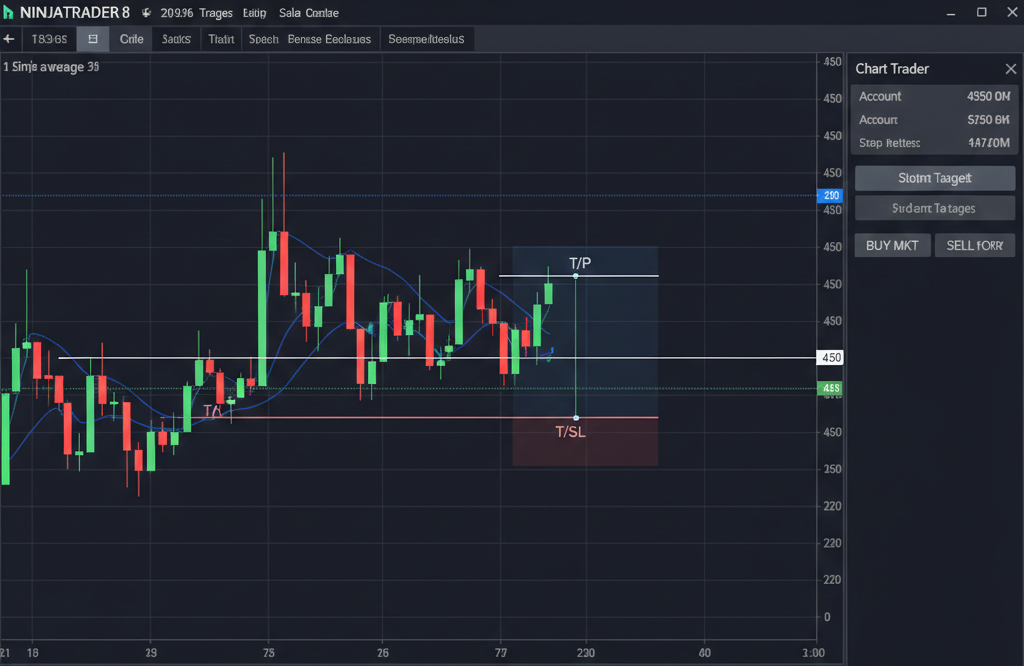
If you struggle with emotional exits, consider using bracket orders offered by most futures brokers.
Managing Overnight and News Risk
Swing traders often hold positions through major economic releases. This requires awareness and preparation.
Best practices include:
-
Monitoring economic calendars from sources like Forex Factory
-
Reducing exposure ahead of high impact news
-
Hedging correlated positions when necessary
Tools, Platforms, and Education for Futures Swing Trading
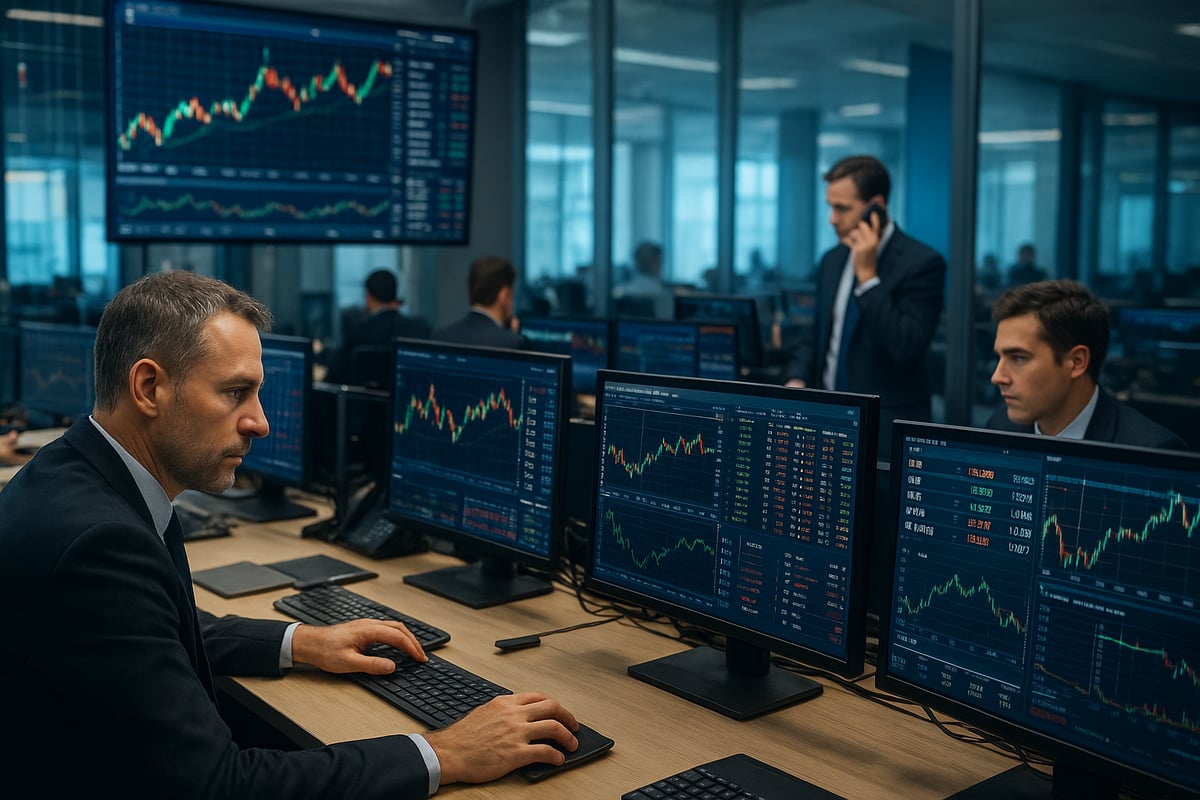
Technology plays a major role in modern futures swing trading. The right tools can enhance execution, analysis, and risk control.
Trading Platforms and Charting Software
Popular platforms in 2026 include NinjaTrader, TradingView, and Thinkorswim. These platforms offer:
-
Advanced charting and indicators
-
Custom alerts for swing setups
-
Integrated order management
For platform comparisons, see this overview from TradingView education.
Journaling and Performance Tracking
Keeping a trading journal improves decision making and accountability.
Track:
-
Entry and exit rationale
-
Risk to reward ratios
-
Emotional state during trades
Many traders report performance improvements of over 20 percent after consistent journaling.
Learning From Trusted Resources
Education shortens the trial and error phase. FuturesPosition Blog offers practical guides such as futures trading for beginners and risk management strategies for futures.
Recommended Video Resource
The following video explains swing trading concepts with real market examples and is suitable for both forex and futures traders.
Futures Swing Trading vs Other Trading Styles
| Trading Style | Time Commitment | Risk Profile |
|---|---|---|
| Futures Swing Trading | Moderate | Balanced |
| Day Trading | High | High |
| Position Trading | Low | Lower |
| Criteria | Futures Swing Trading | Forex Day Trading |
|---|---|---|
| Holding Period | Days to weeks | Minutes to hours |
| Stress Level | Moderate | High |
| Analysis Depth | High | Medium |
These comparisons highlight why many currency market enthusiasts transition into futures swing trading for sustainability.
Final Thoughts and Action Steps
Futures swing trading offers a powerful balance between opportunity and control. By focusing on high quality setups, disciplined risk management, and continuous learning, you position yourself for consistent performance rather than emotional trading.
If you are serious about improving your futures swing trading results in 2026, start by building a structured strategy and refining your risk management today.
Explore expert futures swing trading calculator now