

Imagine being able to profit from the price swings of oil, gold, or popular stock indices, all without actually owning the asset. The world of trading what are futures has opened up exciting opportunities for retail investors, making it easier than ever to access global markets.
This guide demystifies trading what are futures, offering a clear and practical roadmap for beginners who want to get started in 2026. Here, you will learn what futures contracts are, how they work, why people trade them, the risks involved, and essential tips for success.
With the rapid growth and accessibility of futures trading, a wide variety of assets and strategies are now within your reach. If you are interested in discovering the potential for profit and effective risk management, start by mastering the fundamentals before you begin your journey.
What Are Futures? Understanding the Basics
Imagine stepping into a market where you can lock in prices or speculate on the future value of oil, gold, or even entire stock indices. At the heart of this market lies the concept of a futures contract. In the context of trading what are futures, a futures contract is a standardized agreement between two parties to buy or sell a specific asset at a predetermined price on a set future date.
Definition and Core Concepts
A futures contract is a legally binding agreement to buy or sell an asset at a fixed price at a future date. Both the buyer and seller are obligated to fulfill the contract terms, which distinguishes these agreements from options, where only the option holder has a right, not an obligation.
Futures contracts cover a wide range of underlying assets. These include commodities like crude oil, gold, and corn, as well as financial instruments such as stock indices, currencies, interest rates, and even cryptocurrencies. Standardization is key: every contract specifies the quantity (like 1,000 barrels of oil), expiration date, tick size (minimum price movement), and delivery terms.
Unlike forwards or Contracts for Difference (CFDs), futures are traded on regulated exchanges. This ensures transparency and uniformity, making trading what are futures more accessible and secure for all participants. Physical delivery means the actual asset changes hands, while cash settlement involves only a financial exchange based on price differences. In practice, most contracts are closed out before delivery.
For a deeper dive into foundational concepts and strategies, visit the Futures Trading Category.
How Futures Contracts Work
Futures contracts allow participants to lock in prices today for transactions that will occur in the future. This mechanism is essential in trading what are futures, as it enables both risk management and speculation. Each trading day, open positions are marked to market, meaning gains or losses are settled daily based on the current market price.
To open a position, traders must deposit an initial margin—a fraction of the contract’s total value. They must maintain this margin, or they will face a margin call if the market moves against their position. Clearinghouses act as intermediaries, guaranteeing trades and reducing counterparty risk.
Consider a farmer who uses futures to lock in a price for corn before harvest. By selling a contract, the farmer secures today’s price and shields against falling prices, demonstrating a practical application of trading what are futures.
Types of Futures Traders
Three main groups participate in trading what are futures: speculators, hedgers, and position holders. Speculators are typically retail traders or investors aiming to profit from price fluctuations. Hedgers—such as farmers, miners, or manufacturers—use futures to manage exposure to price changes in inputs or outputs. Position holders or investors may maintain futures positions for extended periods, sometimes spanning weeks or months.
It is noteworthy that the vast majority of futures contracts are closed before expiration, with only a small fraction resulting in physical delivery. This fact highlights the dominant role of speculation and risk management in trading what are futures.
Key Features and Mechanics of Futures Trading
Understanding the essential mechanics behind trading what are futures is critical for any beginner. Each aspect, from contract standardization to settlement procedures, shapes how traders approach the markets. Let’s break down these features into digestible parts for clarity and confidence.
Standardization and Liquidity
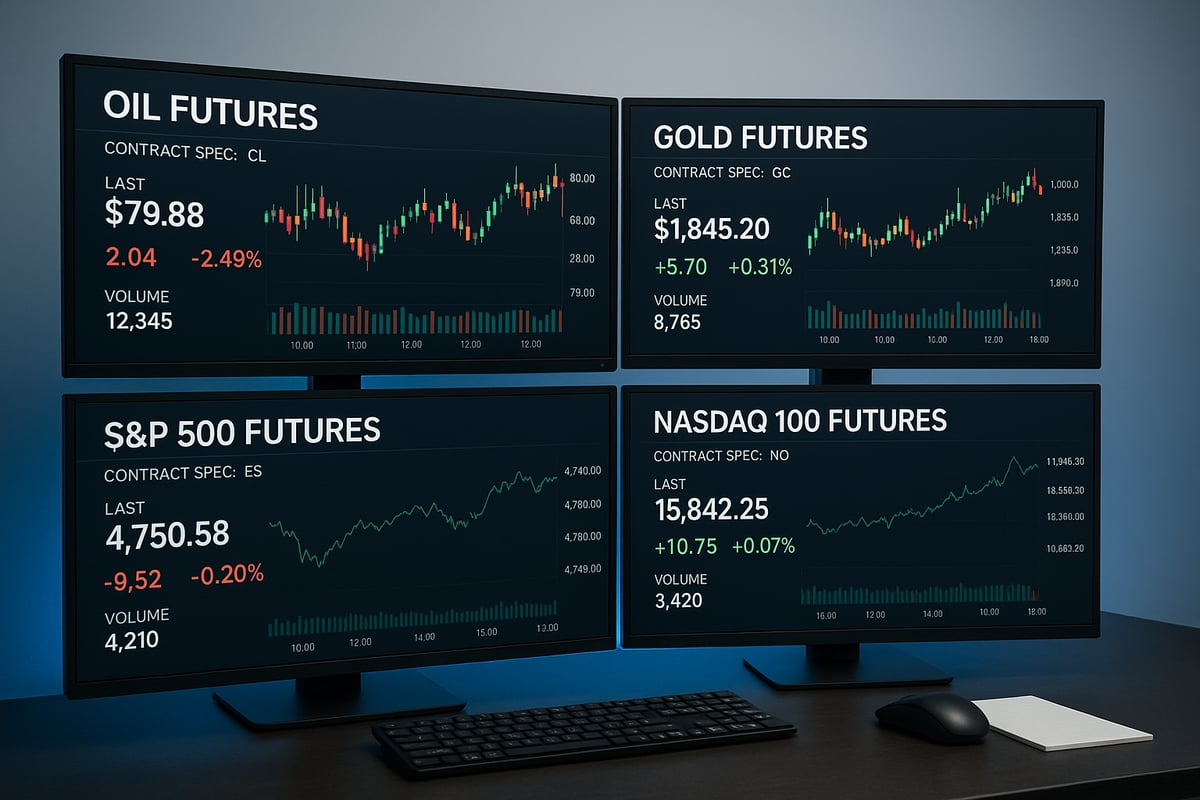
One of the foundations of trading what are futures is standardization. Exchanges like CME set precise contract specifications, including asset type, size, expiry date, and tick size. This uniformity ensures that all traders know exactly what they are buying or selling, which improves transparency and trust.
Standardization directly boosts liquidity. With everyone trading identical contracts, buyers and sellers can easily find matches, resulting in tight bid-ask spreads and smoother execution. For example, the S&P 500 E-mini futures contract is highly liquid, with a tick size of 0.25 index points and each tick valued at $12.50.
| Contract | Tick Size | Tick Value |
|---|---|---|
| S&P 500 E-mini | 0.25 | $12.50 |
| Crude Oil (CL) | 0.01 | $10.00 |
Liquidity and clear specifications make trading what are futures accessible for both institutional and retail traders. This environment encourages active participation and efficient price discovery.
Leverage and Notional Value
A defining feature of trading what are futures is leverage. Leverage allows traders to control large positions with a relatively small amount of capital, known as margin. For instance, with $10,000 in margin, you might control a futures contract with a notional value of $100,000.
Leverage magnifies both gains and losses. If the market moves in your favor, profits can accumulate quickly. However, adverse moves can exceed your initial margin, leading to rapid losses. Calculating your required capital and understanding margin rules is vital. For a deeper dive, see How Much Money Do You Need to Trade Futures.
# Example: Margin Calculation
margin_required = notional_value * margin_rate
Mastering leverage is central to trading what are futures, as it shapes risk and reward.
Mark-to-Market and Settlement
Futures trading uses a daily mark-to-market process. At the end of each trading day, profits and losses are settled in your account, ensuring that gains or losses are realized immediately. This system reduces credit risk and keeps all accounts current.
Tax implications may arise from this process. In the US, many futures are classified as Section 1256 contracts, which receive favorable tax treatment. Contracts have a fixed expiration date. Most traders close or roll over positions before expiry to avoid physical delivery, especially in markets like crude oil.
Rolling contracts is an essential part of trading what are futures, helping traders maintain exposure without taking delivery of the underlying asset.
Going Long vs. Going Short
Trading what are futures offers the flexibility to profit from both rising and falling markets. Going long means buying a contract, expecting the price to increase. Conversely, going short involves selling a contract you do not own, aiming to buy it back cheaper if prices drop.
For instance, a trader might short gold futures if anticipating a decline in gold prices. The ability to sell first and buy later is unique to futures and enables diverse strategies in different market conditions.
Understanding the mechanics of long and short positions is crucial for success in trading what are futures.
Futures Options: An Overview
Options on futures add another layer of flexibility. While a futures contract obligates the buyer and seller to transact at a future date, an option gives the right, but not the obligation, to buy or sell a futures contract.
This flexibility allows traders to hedge risk or speculate with limited downside. For example, buying a call option on a crude oil future lets you benefit from price increases while capping your maximum loss to the premium paid.
Incorporating options into trading what are futures strategies can provide powerful risk management and opportunity.
Why Trade Futures? Benefits, Use Cases, and Risks
Stepping into the world of trading what are futures opens up a dynamic landscape of opportunity and challenge. Futures markets attract traders for their liquidity, diverse strategies, and potential for both profit and risk management. Understanding why people choose to trade these instruments is crucial before you begin.
Advantages of Futures Trading
One major advantage of trading what are futures is the exceptional liquidity found in global markets. Leading exchanges like CME and Cboe handle millions of contracts daily, ensuring tight spreads, fast order execution, and reliable price discovery. For example, according to FIA’s ETD Volume Report for September 2025, exchange-traded derivatives volumes continue to hit new highs, confirming the robust growth and accessibility of futures for retail and institutional traders alike.
Futures also allow access to a broad range of assets: stock indices, commodities, currencies, and even cryptocurrencies. Many contracts trade nearly 24 hours a day, five or six days a week, offering flexibility across global time zones.
Leverage is another key feature. With a relatively small amount of capital, you can control a large position. This amplifies both profit and loss potential. Additionally, US traders benefit from tax efficiency, as most futures qualify for favorable 60/40 capital gains treatment.
There are no pattern day trading rules in futures, so active traders can enter and exit positions as frequently as their strategy requires.
Use Cases: Speculation, Hedging, and Arbitrage
Trading what are futures appeals to a variety of participants, each with distinct goals.
Speculators aim to profit from price movements. They analyze market trends, news, and technical signals to anticipate direction and act accordingly. For example, a trader might go long on oil futures before a supply cut announcement.
Hedgers use futures to manage risk. Farmers may lock in crop prices months before harvest, while manufacturers hedge against rising raw material costs. Airlines often buy fuel futures to stabilize expenses.
Arbitrageurs exploit price discrepancies between related markets or contracts. By simultaneously buying and selling correlated assets, they seek low-risk profits from temporary mispricings.
These diverse use cases make trading what are futures a versatile tool for both individuals and businesses. Whether you want to speculate, hedge, or arbitrage, futures offer flexible strategies across market cycles.
Risks and Challenges
Despite the advantages, trading what are futures involves significant risks. Leverage, while powerful, can quickly magnify losses as well as gains. Sudden market swings may lead to margin calls, requiring you to add funds or risk liquidation of your position.
Volatility is inherent in futures markets. Prices can move sharply in response to economic data, geopolitical events, or unexpected news. According to industry data, as many as 71% of retail CFD traders lose money, highlighting the importance of education and robust risk management.
It’s crucial to develop a disciplined approach when trading what are futures. Setting stop losses, monitoring margin requirements, and staying informed can help mitigate downside risk.
Who Should Trade Futures?
Trading what are futures is best suited for those with a high risk tolerance, sufficient capital, and the ability to dedicate time to market analysis. A successful trader understands the mechanics of futures, has a clear plan, and prioritizes risk management above all. If you are prepared to invest in your education and approach the market with discipline, futures trading can be a rewarding addition to your investment toolkit.
How to Trade Futures: Step-by-Step Guide for Beginners
Embarking on your journey in trading what are futures requires a structured approach. By breaking down the process into manageable steps, you can build a solid foundation and minimize costly mistakes. Here is a comprehensive guide for beginners to help you get started with confidence.
1. Choose a Futures Market and Contract
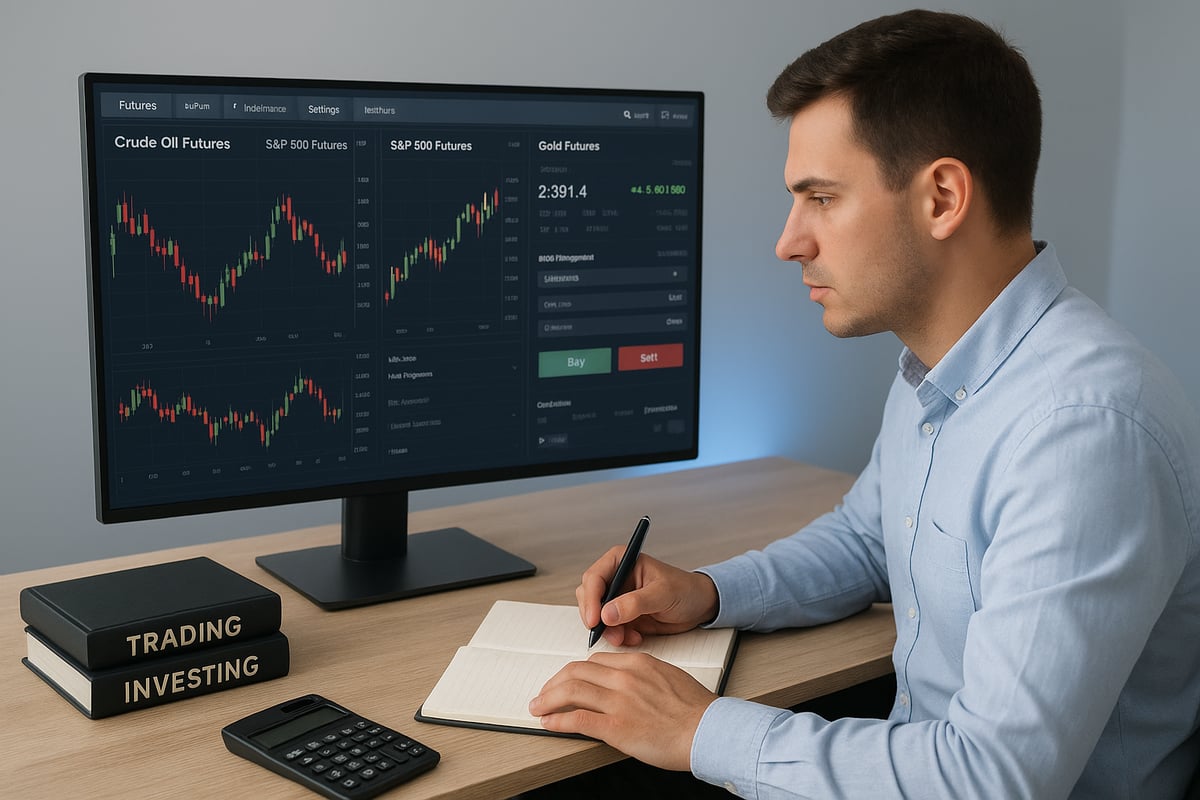
The first step in trading what are futures is selecting the right market and contract. Futures are available for indices, commodities, currencies, and even cryptocurrencies. Each contract has unique specifications, such as size, margin, tick value, and volatility.
For instance, Micro E-mini contracts on the S&P 500 or Nasdaq offer lower capital requirements, making them ideal for beginners. Compare contract details before making a choice.
Table: Example Futures Contracts
| Symbol | Asset | Contract Size | Tick Value |
|---|---|---|---|
| ES | S&P 500 E-mini | $50 x Index | $12.50 |
| MES | S&P 500 Micro | $5 x Index | $1.25 |
| CL | Crude Oil | 1,000 barrels | $10.00 |
Consider your risk tolerance and trading goals as you evaluate options.
2. Open a Futures Trading Account
To start trading what are futures, open an account with a regulated broker. Choose one registered with the National Futures Association (NFA) or a recognized exchange member.
You will need to provide identification, financial details, and select the appropriate account type (individual, joint, or corporate). Some brokers offer demo accounts, allowing you to practice risk-free before trading live.
Minimum deposits vary by broker and contract type. Ensure your broker provides a user-friendly platform and robust customer support.
3. Understand Margin and Leverage
Margin is a critical concept in trading what are futures. You only need to deposit a fraction of a contract’s value, known as the initial margin, to control a much larger position. Maintenance margin is the minimum balance required to keep a position open.
For example, controlling a $100,000 notional value contract might require just $10,000 in margin. This leverage amplifies both profits and losses, so it’s essential to use it wisely.
If you want to learn more about sizing positions correctly, see this How to Calculate NQ Micro Position Size guide.
4. Analyze the Market and Develop a Trading Plan
Before placing any trades, analyze the market using both technical and fundamental methods. Chart patterns, moving averages, economic data, and news events can all influence price direction.
A trading plan is vital when trading what are futures. Set clear entry, exit, and stop loss levels. Use an economic calendar to anticipate events that may impact your chosen contract, such as crude oil inventory reports.
Backtest your strategy on historical data to confirm its effectiveness. Adjust your plan as you gain experience.
5. Place Your First Trade
Once your plan is ready, you can place your first order. Decide whether to go long (buy) or short (sell) based on your market outlook.
Choose from order types such as market, limit, stop, or stop-limit. Enter the number of contracts and your stop loss to manage risk. When trading what are futures, always monitor your position closely after entry.
Consider starting with a single micro contract to minimize risk while learning the mechanics.
6. Monitor and Manage Your Position
Active management is crucial in trading what are futures. Monitor price action, adjust stop losses, and adapt targets as the market evolves. If the market moves against you, be prepared for margin calls, which require adding funds to maintain your position.
Rolling contracts before expiry helps you avoid physical delivery. Most traders close positions before the contract’s last trading day.
Maintain discipline by sticking to your plan and not letting emotions dictate decisions.
7. Close Out or Roll Over Your Position
You can exit a trade by closing your position at any time before expiry. To continue holding, roll over to the next contract month. This involves closing the current contract and opening a new one in a future month.
For example, traders often roll NQ futures to the next quarterly contract. Understanding expiration dates is vital to avoid unwanted delivery obligations when trading what are futures.
8. Record-Keeping and Tax Considerations
Keep detailed records of all your trades, including entry and exit points, contract details, and profit or loss. Accurate record-keeping is essential for performance review and tax reporting.
In the US, many futures contracts are taxed under Section 1256, which offers blended capital gains treatment. Consult a tax professional to ensure compliance and optimize your returns when trading what are futures.
Essential Tips and Strategies for Successful Futures Trading
Mastering trading what are futures requires more than just understanding the basics. Success depends on blending discipline, strategy, and continuous improvement. Here are essential tips and strategies to help you navigate the complexities of futures trading with confidence.
Risk Management Fundamentals
Risk management stands at the core of trading what are futures. Never risk more than a small portion of your account on a single trade, typically 1 to 2 percent. This approach helps protect your capital during losing streaks and supports long-term growth.
Use stop losses and trailing stops to limit downside exposure. These tools help you exit losing trades quickly, preventing small losses from turning into major setbacks. Maintaining sufficient margin is crucial, as it reduces the risk of margin calls and forced liquidations.
To deepen your understanding, explore Risk Management in Futures Trading for curated insights on discipline and managing leverage. Remember, consistent application of risk controls is what separates successful traders from those who struggle.
Developing a Trading Strategy
Developing a sound trading strategy is essential for anyone learning trading what are futures. Start by backtesting your approach on historical data to gauge its effectiveness. This step helps you understand how your strategy performs in various market conditions.
Combine technical analysis, such as chart patterns and indicators, with fundamental analysis like economic reports and supply-demand trends. Diversifying your analysis strengthens your edge and helps you identify high-quality trade setups.
Test different strategies, such as trend-following or mean-reversion, to find what works best for your trading personality and goals. Always document your rules, so you can review and refine your approach over time.
Keeping Emotions in Check
Emotions can be a trader’s greatest enemy in trading what are futures. Fear, greed, and the urge for revenge trading often lead to poor decisions. Recognize these feelings early and develop habits to manage them.
Set daily loss limits and walk-away rules to protect your account when markets become volatile or your judgment is clouded. Practicing mindfulness or taking short breaks during trading sessions can help restore composure.
Sticking to your trading plan, even when emotions run high, is vital for consistency. Remember, discipline is the foundation of long-term success in futures trading.
Continuous Learning and Adaptation
Continuous learning is non-negotiable in trading what are futures. Markets evolve, new products emerge, and regulations change. Stay updated by following market news, economic events, and contract specifications frequently.
Participate in webinars, join trading communities, and read educational content to expand your knowledge base. Using demo accounts to experiment with new strategies allows you to learn without risking real capital.
Adaptation is key—be open to adjusting your methods as you gain experience and as market dynamics shift. This proactive approach keeps your trading skills sharp and relevant.
Common Mistakes to Avoid
Avoiding common mistakes is critical for anyone interested in trading what are futures. Overleveraging is a frequent pitfall, as excessive risk can quickly erode your account. Always adhere to sound risk management principles.
Trading without a clear plan or exit strategy often leads to impulsive decisions and unnecessary losses. Make sure you fully understand contract specifications and margin requirements before entering trades.
Another costly error is holding contracts into delivery unintentionally. Always monitor contract expiration dates and roll positions as needed to avoid unwanted outcomes.
Selecting the Right Tools and Platforms
The right tools and platforms can give you a significant edge in trading what are futures. Choose reliable trading platforms that offer fast execution, robust charting, and comprehensive market data.
Evaluate brokers based on fees, customer support, and access to the markets you intend to trade. Platforms like TradingView are excellent for charting, while brokers such as IC Markets offer strong execution capabilities.
Having dependable technology reduces the risk of errors and ensures you can respond quickly to market changes. Invest time in learning the features of your chosen platform to maximize efficiency.
Building a Trading Routine
Establishing a solid trading routine is a cornerstone of success in trading what are futures. Set specific trading hours that align with periods of high liquidity and volatility for your chosen markets.
Keep a detailed trading journal, recording every trade, rationale, and outcome. Regularly review your journal to identify patterns, strengths, and areas for improvement.
A consistent routine fosters discipline, helps you manage risk, and supports continuous learning. Over time, these habits contribute to steady progress and more reliable results.
Now that you understand the essentials of futures trading and how vital risk management is for lasting success, let’s put that knowledge into action. One of the smartest steps you can take as a beginner is to calculate your contract size before entering any trade. By knowing exactly how much to risk based on your account size and stop loss, you can avoid overleveraging and trade with confidence. If you want a simple, reliable way to do this for major futures contracts like NQ or ES, I recommend you Calculate Contract Size using FuturesPosition’s free calculator. It’s a practical tool every trader should have on hand.

[…] Trading futures is hard enough without making it harder by guessing your position sizes. The difference between successful traders and those who blow up their accounts often comes down to this one factor: successful traders know exactly how many contracts to trade on every setup, and they stick to it religiously. […]